How to Protect, Clean, and Extend the Life of Your Fiberglass Pool
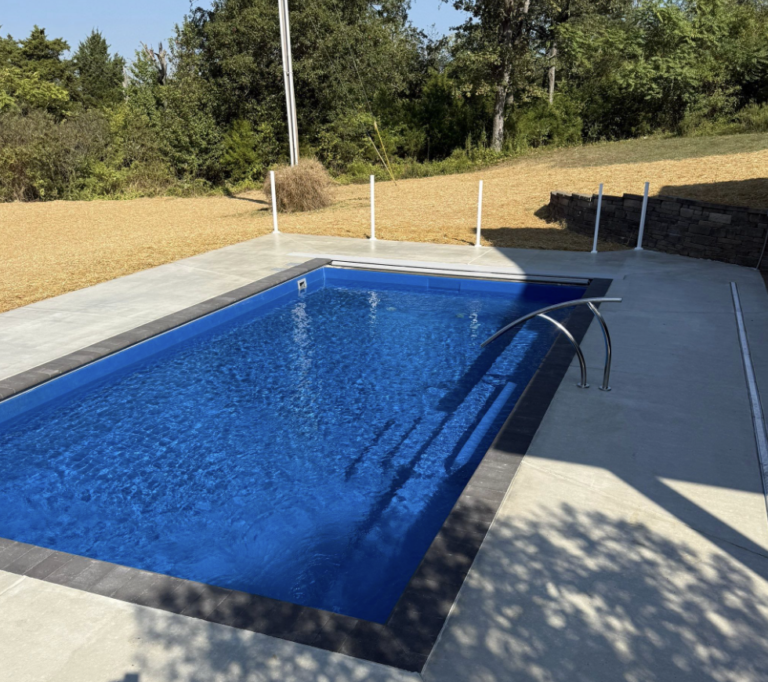
To properly care for your pool gelcoat, you need to clean it weekly, maintain balanced water chemistry, avoid abrasive tools, and apply a protective polish to exposed areas like the waterline one to two times per year.
Gelcoat is the outer protective layer of fiberglass pools, and without proper care, it can fade, stain, or oxidize. This guide walks through exactly how to maintain your pool gelcoat, prevent damage, and extend its lifespan.
Why Gelcoat Care Matters
Your gelcoat is what gives your fiberglass pool its smooth finish and vibrant color. It also protects against UV exposure, pool chemicals, and debris.
If neglected, gelcoat can:
- Fade or oxidize and develop a chalky appearance
- Develop stains from metals or algae
- Become rough to the touch
- Require resurfacing that can cost $5,000 to $15,000 in 2026
At Pools Today, one of the most common issues we see is early gelcoat wear caused by improper maintenance rather than age.
Step by Step: How to Care for Pool Gelcoat
1. Maintain Proper Water Chemistry
This is the most important factor in protecting gelcoat.
- Keep pH between 7.2 and 7.6
- Maintain alkalinity between 80 and 120 ppm
- Keep calcium hardness between 200 and 400 ppm
Unbalanced water leads to surface damage, discoloration, and premature aging.
2. Brush the Pool Weekly
Use a soft nylon brush only.
Avoid:
- Wire brushes
- Abrasive scrubbing pads
Brushing prevents buildup that can lead to staining and helps preserve the smooth finish of the gelcoat.
3. Clean Stains Immediately
Common sources of staining include:
- Leaves and organic debris
- Metals like iron or copper
- Algae buildup
Use cleaners specifically designed for fiberglass pools. Addressing stains early prevents permanent discoloration.
4. Avoid Harsh Chemicals
Never:
- Pour chlorine directly onto the surface
- Use acid washing unless performed by a professional
Improper chemical use is one of the leading causes of gelcoat damage.
5. Apply Gelcoat Polish to Exposed Areas One to Two Times Per Year
Applying a polish or marine grade wax to exposed areas of the pool, especially around the waterline, helps:
- Protect against UV damage
- Restore shine
- Slow oxidation
In 2026, typical costs are:
- DIY products: $40 to $120
- Professional service: $300 to $800
Focus polishing efforts on areas exposed to air, since those are the most prone to fading and oxidation.
6. Monitor for Early Signs of Oxidation
Watch for:
- Fading color
- Dull or chalky appearance
- Loss of shine
Early stage oxidation can often be corrected with polishing. If ignored, it may require more extensive restoration.
7. Use a Pool Cover When Not in Use
A pool cover reduces:
- UV exposure
- Debris accumulation
- Chemical imbalance from contaminants
This is especially important during the fall and winter months.
Real World Example
A homeowner in Indiana noticed their fiberglass pool fading after only a few years. The issue was traced to high chlorine levels and no polishing routine. After professional surface restoration and implementing proper maintenance practices, the pool’s appearance was restored and further damage was prevented, avoiding a full resurfacing that could have cost over $8,000.
How Long Does Pool Gelcoat Last?
With proper care:
- 20 to 30 years or more
Without proper maintenance:
- 5 to 10 years before major issues develop
This difference highlights how important routine care is for protecting your investment.
When to Call a Professional
You should contact a professional if you notice:
- Deep stains that do not respond to cleaning
- Significant oxidation
- A rough or uneven surface
Pro Tips from the Pools Today Team
- Test your water multiple times per week during peak season
- Remove debris within 24 to 48 hours
- Use a robotic cleaner to minimize manual wear
- Schedule an annual inspection
Protect Your Pool with Consistent Gelcoat Care
Caring for pool gelcoat comes down to consistency. Small maintenance steps now can prevent major repair costs later.
Get Expert Help with Your Fiberglass Pool
If you want to protect your pool and keep it looking like new, talk to a fiberglass pool expert at Pools Today.
FAQs About Caring for Pool Gelcoat
How often should I clean my pool gelcoat?
You should brush your pool weekly and clean stains as soon as they appear.
Can gelcoat be repaired if damaged?
Yes. Minor oxidation and surface issues can often be corrected with polishing. More severe damage may require professional repair.
What causes gelcoat to fade?
The most common causes are UV exposure, improper water chemistry, and lack of regular maintenance.
Is it safe to use chlorine in a fiberglass pool?
Yes, but it must be properly balanced. Never pour concentrated chlorine directly onto the surface.
Do fiberglass pools need resurfacing?
Most do not if properly maintained. Many fiberglass pools last decades without needing resurfacing.
What is the biggest mistake pool owners make?
Failing to maintain proper water chemistry, which can significantly shorten the lifespan of the gelcoat.